A warning about relying on Washington
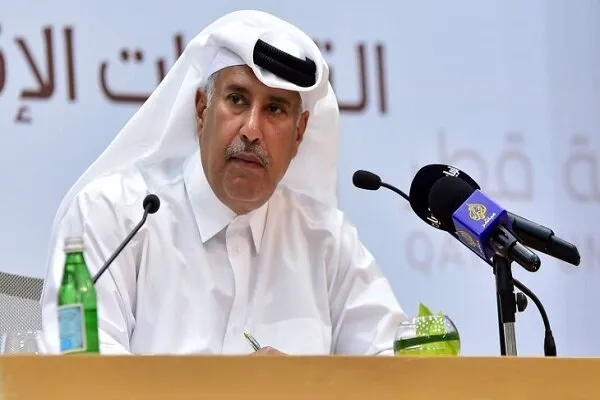
Responding on X on Tuesday, bin Jassim said Bannon's remarks about Saudi Arabia, Qatar, Kuwait and the United Arab Emirates did not surprise him. He described a divide between Gulf countries seeking American support to protect their oil facilities and Bannon's view that the US no longer needs their oil.
Bin Jassim argued that Washington welcomes Arab partners while they serve its needs, then changes its priorities when those needs fade. He urged leaders in the Gulf and the wider Arab world not to assume that US positions toward allies would remain steady.
He also criticized the way Bannon expressed his views, saying the proposed policy shift undermined Washington's professed commitment to its friends and allies. Bannon took a different tone when speaking about Israel, he added.
Bannon's case for reviewing Gulf ties
Bannon made his remarks in an interview The Telegraph published on November 17, 2026, for The Right Track, hosted by Poppy Coburn and Connor Stringer. The former Trump adviser said the United States was "way too close to these Gulf Emirates" and that its relationship with Qatar, Kuwait, Saudi Arabia and even the UAE "has to be totally reviewed."
He described Qatar and Saudi Arabia as "almost as bad as the Israel First project" in seeking US protection for their oil and gas assets.
His argument centered on energy supplies. Citing Venezuela, the Gulf of Mexico and oil and gas from Guyana "about to come on," Bannon said the US had "more than enough" resources. He added that "Pennsylvania is the new Saudi Arabia for gas or the Qatar for gas" if it is developed.
The position follows earlier comments linking Venezuelan oil, Gulf of Mexico production and anticipated supplies from Guyana to reduced American dependence on Gulf countries. On War Room in January 2026, Bannon said the US no longer needed Saudi Arabia, Qatar or the UAE.
Bannon served as a senior White House strategic adviser during Trump's first term and is a prominent media figure in the American right-wing nationalist movement.
Bin Jassim's push for Gulf defense cooperation
Bin Jassim, who led Qatar's government from 2007 to 2013 and served as foreign minister from 1992 to 2013, has also advocated closer military cooperation among Gulf states.
In a March 2026 post on X, he urged Gulf Cooperation Council members to establish an "effective, real, and on-the-ground military security alliance, akin to the North Atlantic Treaty Organization," with Saudi Arabia playing the most crucial role. He also called for a coordinated regional defense industry.