Qatar pursues a return to negotiations
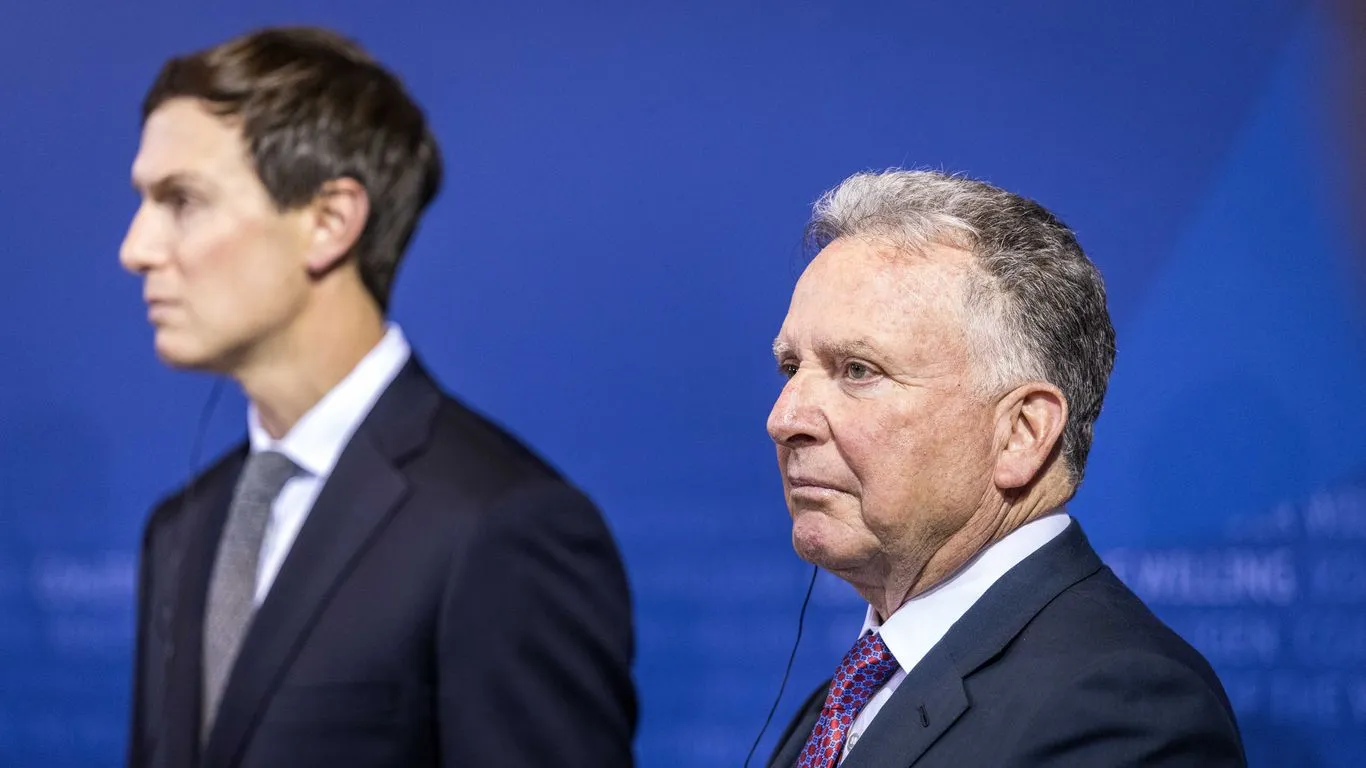
Qatari Prime Minister Sheikh Mohammed bin Abdulrahman Al Thani and his envoy, Ali al-Thawadi, joined the discussions, according to two sources familiar with the meeting cited by Axios. The officials met alongside a summit concerning the coalition supporting Ukraine. The White House did not immediately provide a comment.
Qatar's mediation seeks a ceasefire, a resumption of nuclear negotiations and an end to further military escalation in the region. The Berlin meeting followed a visit to Doha by an Iranian technical delegation earlier in the week. Iranian Foreign Minister Abbas Araghchi also discussed diplomatic options with al-Thawadi in Oman and traveled to Pakistan and Turkey to address the impasse.
Araghchi has identified Qatar and Pakistan as the only two current mediation channels with the Trump administration. He described different roles for Qatar and Oman: Qatar exchanges concrete proposals aimed at resolving disagreements, while Oman relays messages.
Iran seeks assurances and steps on Hormuz
In an interview with the state-owned newspaper Iran, Araghchi said Washington must explicitly demonstrate that it wants a serious agreement. Before Tehran agrees to reopen the Strait of Hormuz, he said, it needs confidence-building steps such as the lifting of naval blockades and the release of frozen funds.
Araghchi linked Iran's doubts about U.S. intentions to the U.S. midterm elections, Trump's earlier statements that he was not interested in a deal and the removal of Vice President J.D. Vance as a lead negotiator.
The dispute over the strait dates to the war's opening. The United States and Israel began the war against Iran on February 28, 2026, and Iran has blockaded the waterway since then, according to AFP reporting carried by The Straits Times on November 16.
An earlier agreement addressed the same issues. Bloomberg reported on October 22 that the two countries signed the "Islamabad Memorandum of Understanding" in June 2026, but it soon collapsed. Iran's commitment to reopen the strait was paired with U.S. commitments to end its naval blockade, free frozen Iranian oil funds and remove sanctions.
Iran now proposes a two-day sequence, reduced from an earlier seven-day plan. Under the proposal Araghchi described to Africanews on November 2, Washington would carry out a series of compliance measures on the first day, followed by the strait's reopening on the second.
Speaking in Islamabad on November 16, Araghchi said the Economic Cooperation Organization, a 10-nation regional bloc, had endorsed the plan, The Straits Times reported. Senior officials attending its meeting represented Pakistan, Turkey, Azerbaijan, Kazakhstan, Iran, Kyrgyzstan, Tajikistan, Turkmenistan and Uzbekistan.
Nuclear demands remain unresolved
Trump said Friday that Iran wanted an agreement but had not offered acceptable terms. He described its leadership as "a very evil group of people" who must not be allowed to obtain nuclear weapons, adding: "They've been they've been bullshitting people for 51 years."
One unresolved question is what happens to Iran's enriched uranium. Araghchi ruled out sending the stockpile abroad, saying the material must serve the country's needs. Although Tehran is considering several approaches put forward by mediators, he said any arrangement must be consistent with Iranian national interests.
Disagreement over further military action
Araghchi accused Israeli Prime Minister Benjamin Netanyahu of seeking another conflict for his own "political survival," saying he "is trying to drag the U.S." into renewed fighting with Iran.
Roic AI Press separately reported differing preferences among U.S. allies and advisers: Netanyahu is pushing for another military campaign, while Gulf leaders and some Trump advisers want to allow more time for diplomacy and economic pressure.
In Washington, Senate Republicans on November 19 blocked a resolution requiring Trump either to end the Iran war or secure congressional authorization to continue it, according to Roic AI Press. The measure, which had already passed the House, failed 51-48.
Prospects for direct senior-level diplomacy remained low in prediction markets. Manifest News reported that, as of November 20, those markets put the chance of a senior-level U.S.-Iran diplomatic meeting at about 3% by November 30 and about 18% by December 31.
Trump leaves his next decision until the new year
After meeting last week with Vance and the Qatari prime minister, Trump called a renewed military campaign against Iran "quite unlikely" and said it "doesn't seem to be necessary."
He told Axios in a telephone interview Thursday that he would wait until the new year to decide his next steps in the war. "I am not rushing into any decision," he said.