Investment plans span five years
The Qatar Investment Authority, Qatar's sovereign wealth fund, is to make the investments over the next five years, according to a joint government declaration reported by Doha News. The plans aim to help German companies grow, particularly in critical industries and defense, but remain subject to the independent decisions of the investors involved.
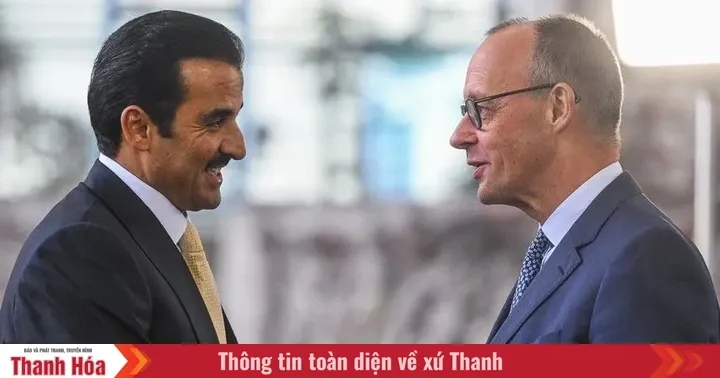
Welcoming the pledge, Merz said both economies would benefit, highlighting artificial intelligence, semiconductors and aviation as areas for investment.
The talks formed part of the Emir's state visit to Germany. He arrived in Berlin on November 19 and met German President Frank-Walter Steinmeier the following day, receiving military honors at Villa Borsig, the government guest house. He also held talks with Merz at the Federal Chancellery, Doha News reported.
Broader strategic and security cooperation
At their joint press conference, Merz presented the partnership as part of Germany's effort to widen its international relationships. According to Báo Thanh Hóa, he said closer ties with partners such as Qatar could support German sovereignty, security and prosperity at a time of global instability, intensifying major-power competition and pressure on the international order.
The Emir described Germany as an important partner and expressed confidence in the relationship's continued development, particularly through stronger strategic dialogue.
The leaders witnessed the signing of defense and security cooperation documents after their talks. Gulf Times, citing the Qatar News Agency, identified two security agreements with Germany's Federal Ministry of the Interior: one involving Qatar's Ministry of Interior and the other its Internal Security Force, Lekhwiya.
The signing ceremony also included a bilateral military cooperation agreement. Separately, Qatar's Ministry of Foreign Affairs and Germany's Federal Foreign Office signed a letter of intent to cooperate on peace, reconciliation and dispute settlement.
Middle East diplomacy and energy security
Merz commended Qatar's mediation in Middle East conflicts, including its efforts to bring the conflict between the United States and Iran to an end. He maintained that a diplomatic settlement was still possible and essential to the safety of people in the region. Germany also had an interest in regional peace, he said, because it needed reliable energy supplies at reasonable prices.
According to Doha News, the discussions addressed efforts to end the U.S.-Israel war on Iran and resume maritime traffic through the Strait of Hormuz. Merz called for the strait to reopen permanently and securely, along with a verifiable halt to Tehran's military nuclear program. The Emir said a political agreement was necessary for lasting peace.
Both leaders identified Syria's reconstruction as a shared priority. The Emir said their discussions also covered the Palestinian issue and other regional and international conflicts. He urged all parties to show restraint, reduce tensions and protect civilians, while allowing humanitarian assistance to reach those in need without obstruction.