Command structure and unanswered questions
The approval came at the GCC Joint Defence Council's 23rd session in Manama, Bahrain, chaired by Bahrain's Minister of Defence Affairs, Lieutenant General Abdullah bin Hassan Al Nuaimi.
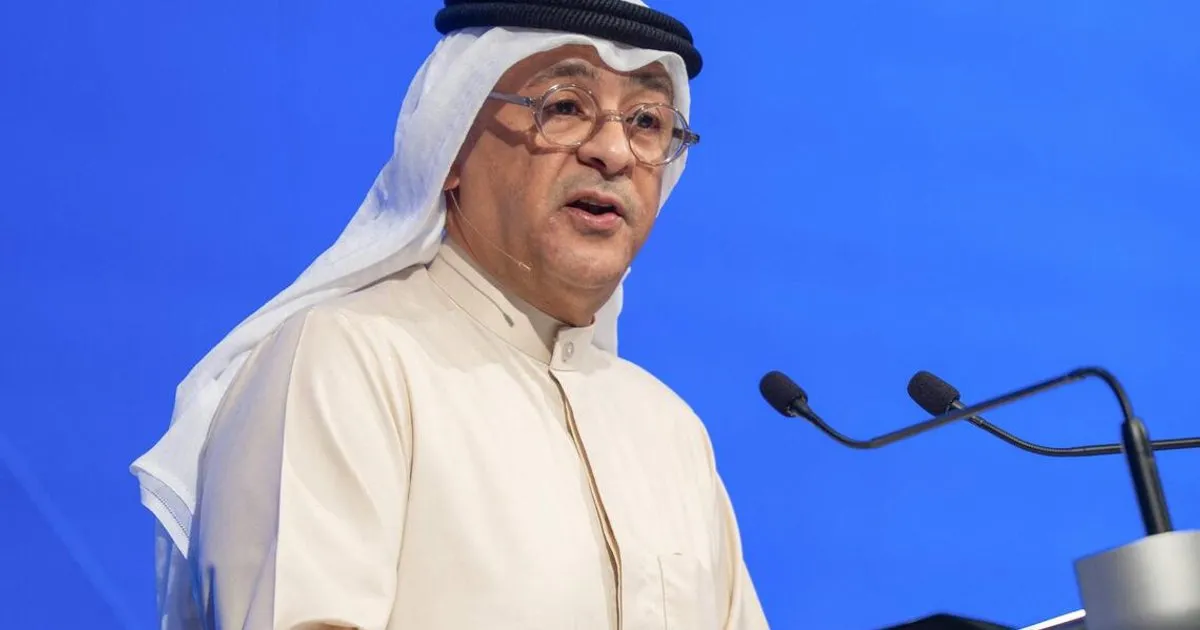
In his announcement, GCC Secretary-General Jasem AlBudaiwi said the Unified Military Command would be headquartered in Kuwait and have forces allocated to it. Al Jazeera and The National described the Kuwait facility as an advanced command operating within the existing Unified Military Command, whose headquarters in Riyadh opened in 2021. That organization was established at a GCC summit in Kuwait in 2013 to coordinate joint operations and strengthen collective defense.
Officials did not disclose the new command's exact location within Kuwait, the number or types of forces it would receive, its responsibilities or when it would begin operating.
Whether the center will link the six countries' air defense systems also remains unclear. Many analysts have argued that this integration is needed to defend against future strikes.
The decision follows instructions from GCC leaders at an extraordinary summit in Jeddah in April 2026. They called for deeper military integration and faster completion of a joint ballistic missile early-warning system.
Attacks drive closer security coordination
The GCC brings together six US allies: Saudi Arabia, the United Arab Emirates, Kuwait, Bahrain, Qatar and Oman. Iranian missile and drone attacks on Gulf states hosting major US military installations followed the start of the US-Israeli war on Iran on February 28, 2026.
The six countries have faced thousands of Iranian drone and missile attacks this year in retaliation for the US-Israeli attacks. Tehran said it was targeting American assets, including military bases in GCC countries, but many strikes hit civilian locations, including cities and ports.
Attacks by Iran and Tehran-backed militias in Iraq and Yemen have pushed Gulf governments toward closer security cooperation. Among the incidents cited by Al Jazeera was an October 10 Houthi attack on Riyadh's King Khalid International Airport that killed 14 people and wounded more than 300.
AlBudaiwi condemned what he called the "sinful Iranian attacks" while commending cooperation between GCC armed forces.
A longer-term defense strategy
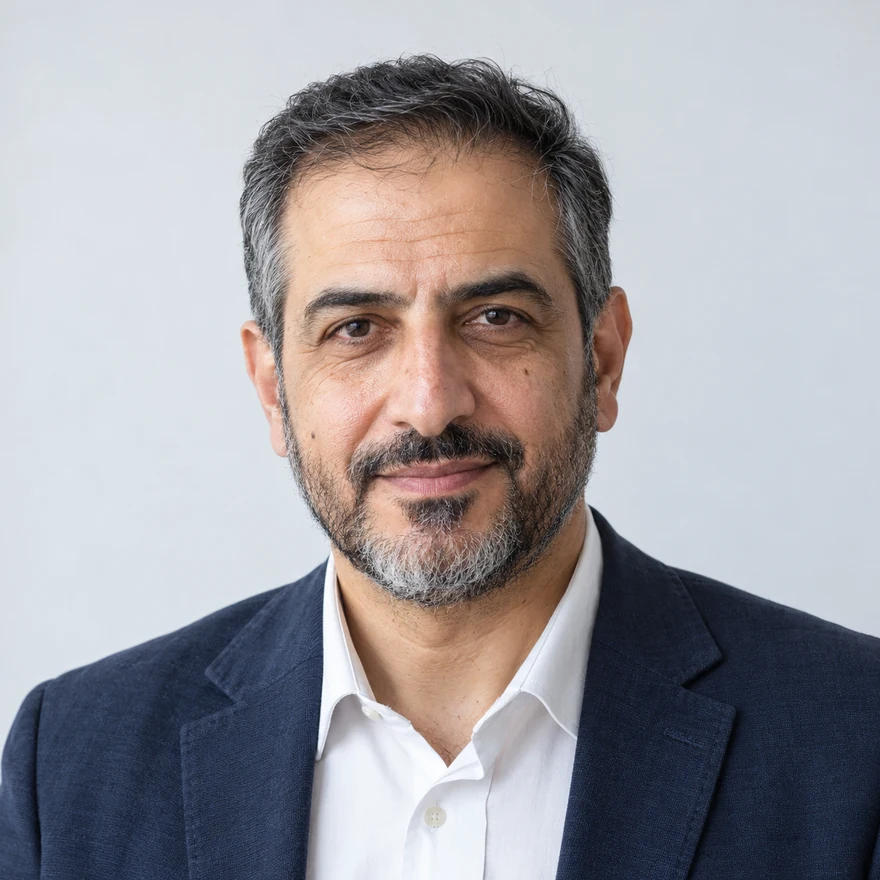
Muhanad Seloom, a nonresident fellow at the Middle East Council on Global Affairs, told Al Jazeera that the Kuwait command would establish a permanent GCC presence at the northern end of the Gulf. A unified command "sends a message to Iran and also Iraq," he said. He characterized the decision as part of a longer-term GCC strategy, not an indication of an imminent Iranian strike.
Separately, Saudi Arabia, Pakistan and Turkiye signed the Mecca Joint Defence Agreement in August 2026, agreeing that an armed attack against any one of them would count as an attack against all three. Saudi Arabia and Pakistan also have a bilateral mutual defense treaty, signed in 2025.