Three years of advertising and online influence
Writing in the Irish Examiner, Jones described the findings of Manufacturing the Great Replacement, an investigation covering October 2023 through October 2026. Its exposure count combines advertising impressions, reach and video views, so it includes people encountering material more than once rather than representing 533 million distinct viewers. The researchers recorded 154 million exposures in the UK and say the overall count substantially understates the operation's reach.
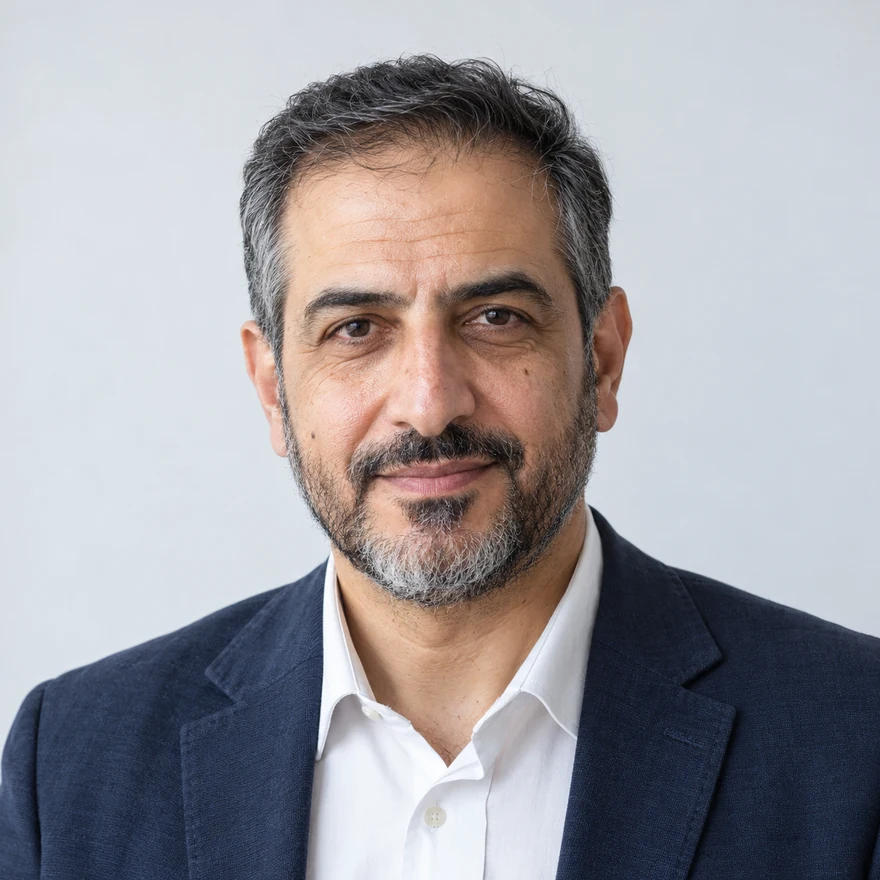
The campaign promoted xenophobic and anti-Muslim messages across Europe and beyond. Jones, an associate professor in residence at Northwestern University in Qatar, conducted the investigation with Dsouza. The university's Qatar campus operates in partnership with the Qatar Foundation.
According to the investigation's account of Meta's own data, by July 2024 the campaign was already among the largest covert influence operations the company had disrupted, ranking alongside operations attributed to state actors. It was also the costliest such operation targeting the EU: more than $1.2 million had gone to Meta advertising alone, with audiences targeted in more than 20 countries.
For the operation as a whole, the researchers put the upper estimate of advertising spending at $8.2 million, not counting production or personnel. Jones says TikTok, Google and Meta accepted money for racist advertising without knowing its origin.
The evidence and its limits
The researchers' attribution rests on several technical clues. They found Hebrew names attached to drives and folders in video files, work schedules matching a Sunday-through-Thursday week, and a clock adjustment corresponding to Israel's switch out of daylight saving time. Separate metadata pointed to a prominent Israeli political campaign designer.
Wikipedia activity provided another connection. The investigation linked edits made in 2024 to TronFactor, a network of accounts presenting themselves as separate users. Although the network used German proxies, an interleaving error exposed a static IP address that was probably not a proxy and traced back to Israel.
Those findings do not identify the ultimate client or establish Israeli government payment for this campaign, Jones emphasized. The investigation also found that campaign material passed through American evangelical figure Johnnie Moore and his public relations firm, JDA Worldwide. Moore subsequently became head of the Gaza Humanitarian Foundation.
From a fake Eurovision entry to political audiences
One example circulated during Eurovision in May 2024, when Irish audiences were following Bambie Thug. An anonymously produced video presented itself as an entry from Qatar, which has never participated in the contest. Appearing on TikTok, Facebook and Instagram, it blamed Qatar for migration and Europe's supposed Islamization.
The lyrics included "They help migrants cross the fence" and "they want sharia law to rule over the West". The video received 1.2 million views on TikTok and 2.2 million on X. Paid placement on Meta targeted several EU countries, among them Sweden, the host of Eurovision 2024.
Other parts of the operation reached large audiences through longer-running channels and political events. The YouTube channel "Qatar's behind this" published 62 videos that together drew nearly 58 million views, making it one of the campaign's longest-running channels on that platform. According to the investigation, a video carrying the campaign's ShameQatar branding was also screened at CPAC 2024 shortly before Donald Trump appeared onstage.
Anti-Muslim messages packaged as entertainment
Jones describes the campaign as a reworking of the Great Replacement conspiracy theory, which falsely portrays immigrants, people of color and especially Muslims as replacing Western civilization. Traditional antisemitic versions blame George Soros or Jewish elites for orchestrating migration. Here, Qatar occupied that role, with the emir's mother, Shaikha Moza, depicted as directing events.
Footage of street prayers, religious processions and border crossings was used to portray Muslims and migrants as an invading force. One video declared, "You are being replaced," while another offered the supposed alternatives: "Convert, Die, or Live as a Second-Class Citizen."
The campaign also used entertainment formats to deliver those messages. AI-reworked Christmas songs imagined Europe without pork or alcohol. Videos borrowing the visual style of Grand Theft Auto presented the conversion of a church into a mosque as a gaming achievement, followed by "Mission Complete: Islamisation of Europe".
Ireland's experience and Jones's assessment of the aims
The findings come against a backdrop of racist violence and anti-migrant falsehoods in Ireland. Following a church fire in Donegal in April 2025, an anonymous account on X blamed Afghans in a false post that attracted more than a million views. Irish police later ruled out foul play.
The Policing Authority has warned that Ireland's far right uses disinformation to depict asylum seekers and other minorities as threats to society's existence. In Jones's assessment, the operation demonstrates how overseas actors can buy advertising that reinforces those fears.
Jones argues that the campaign sought primarily to strengthen the far right by fostering hostility toward Arabs and Muslims. He also sees an effort to erode sympathy for Palestinians and make what he describes as Israel's genocide more acceptable to Western audiences.
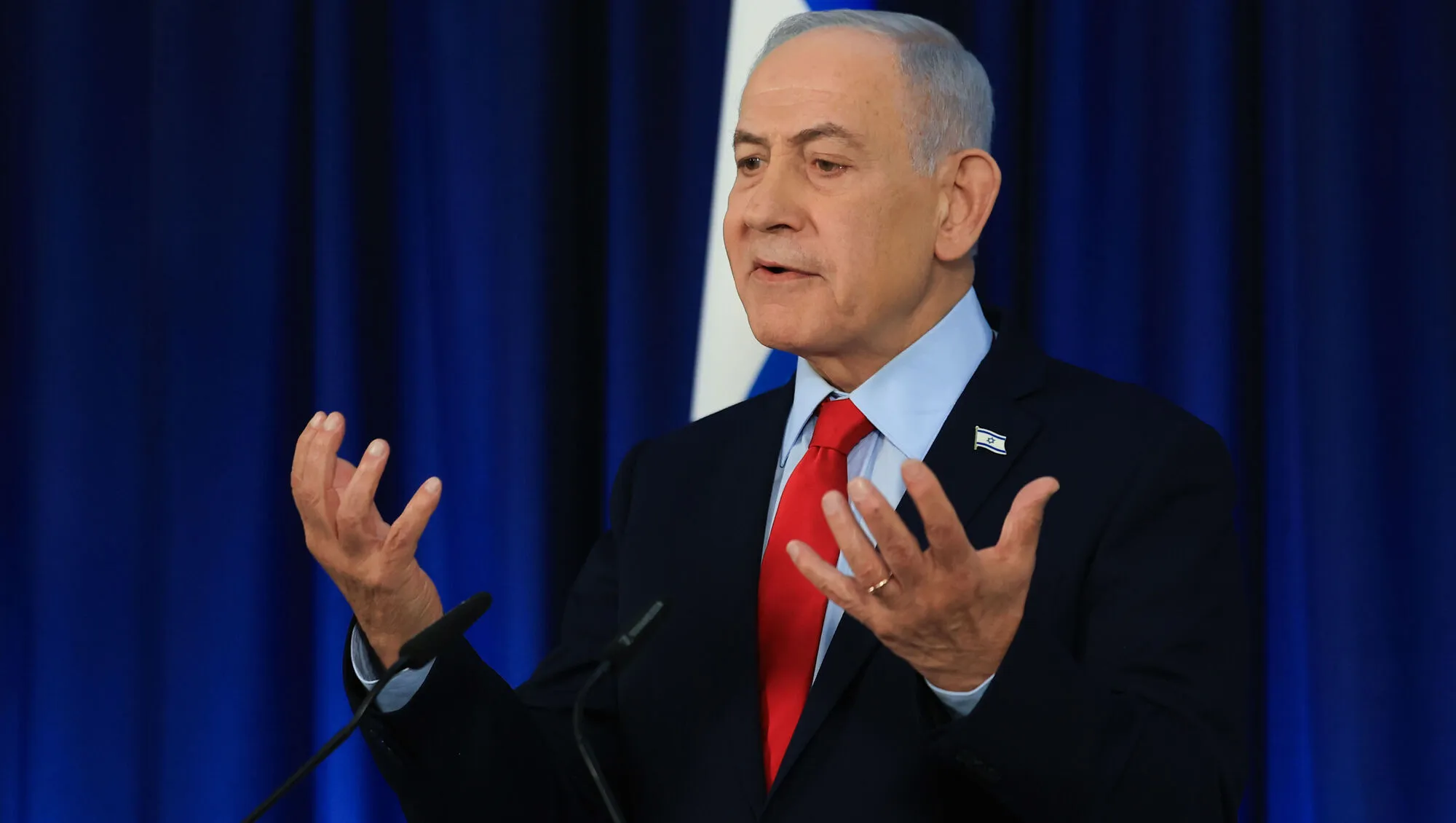
Qatar's diplomatic role was another target, he says. It was mediating hostage and ceasefire negotiations between Israel and Hamas, and attacks on its credibility served opponents of those talks. Jones argues that the campaign also diverted attention from Benjamin Netanyahu's intelligence failures and his government's role in controlling and organizing payments from Qatar to Hamas.
Later campaign content attacked Qatar's mediation involving Iran. Jones says that messaging aligned with Israeli hardliners who favored military confrontation.