Energy supplies and international partnerships
The forum opened on November 16 at The Pelligon in Canary Wharf. Under the theme "New World Order, New World Thinking," the two-day gathering brought political leaders, diplomats, military figures and industry experts together to discuss changes in global security and international relations.
Lord Browne of Madingley used the forum's annual lecture to address energy security. Speaking afterward with Arab News, he described dependable supplies as a foundation of national security and economic stability. "Energy is the hidden architecture for everything else," he said. "Without energy, there is no such thing as a stable economy, no such thing as a secure economy."
Browne urged countries to diversify their energy sources and develop international partnerships. He emphasized the Gulf's global importance, describing Saudi Arabia as a leader in oil and gas as well as in producing and using other forms of energy efficiently. "The Kingdom is the big player, and it remains a very big player," he said.
According to the forum's website, the annual lecture began in 2024 with former US Attorney General Eric Holder. Cherie Blair CBE KC delivered the 2025 lecture.
Maritime capabilities lag behind threats
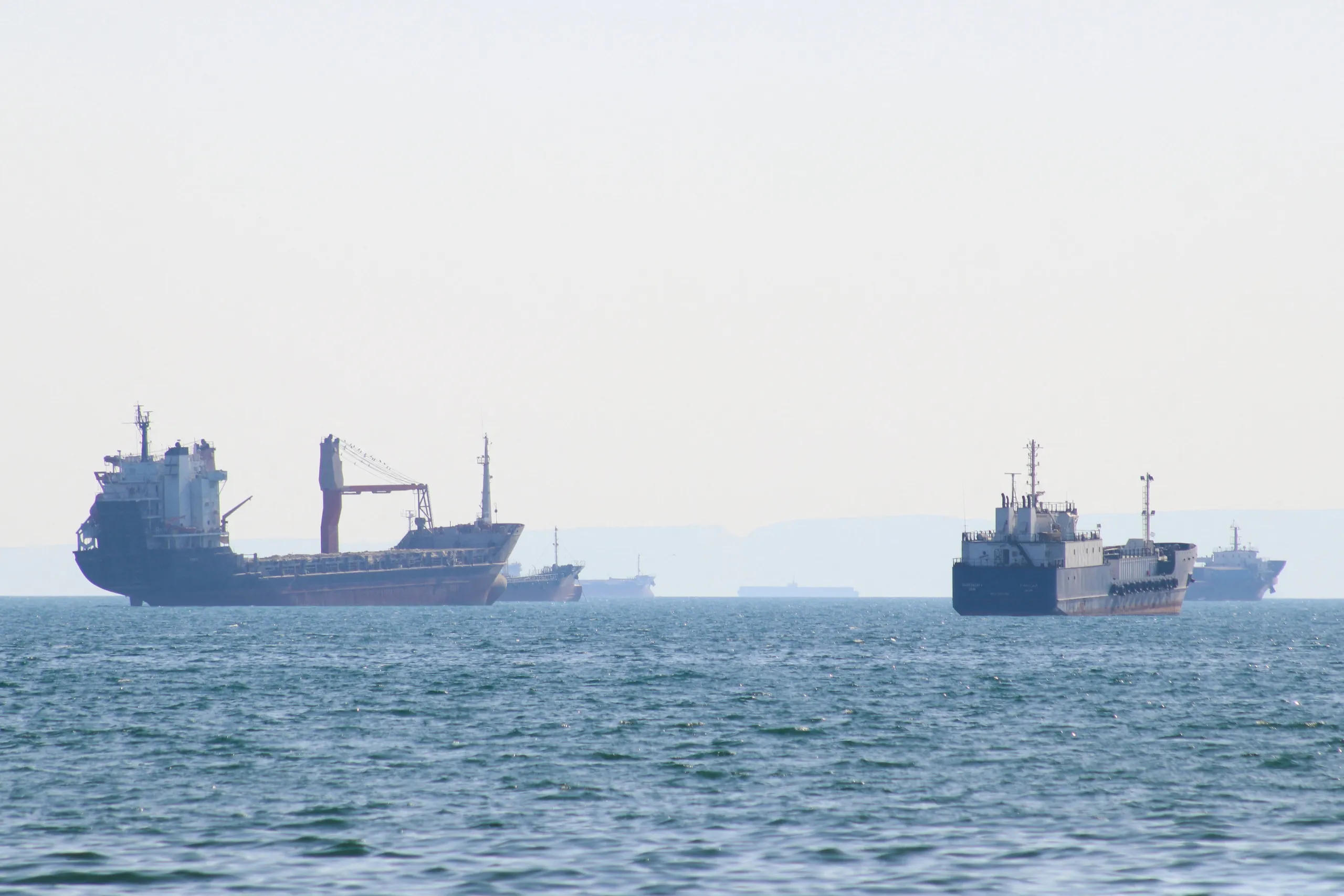
Maritime sessions considered both technological change and security risks: artificial intelligence, uncrewed vessels and other emerging technologies are reshaping the sector as commercial shipping and undersea infrastructure face growing threats.
Adm. Sir Keith Blount told Arab News that countries' readiness was falling behind those risks. Internationally, he said, "we are not as prepared as we need to be." Governments may recognize many of the dangers without having every capability required to respond, he added.
Blount described the Gulf as "very much an economic center for global commerce" and said cooperation with Middle Eastern partners was essential to international maritime security.
The retired Royal Navy officer previously held two senior NATO posts. According to Wikipedia, he was Commander Allied Maritime Command from 2019 to 2023 and Deputy Supreme Allied Commander Europe from 2023 to 2026. He retired from the Royal Navy on June 20, 2026.
UK proposals to protect subsea cables
The House of Lords Library has documented related UK security concerns. In April 2026, the British government said its warships and aircraft, working with allies, had detected and tracked Russian undersea naval units engaged in "nefarious activity over critical undersea infrastructure." Reports in August said NATO allies, including the UK, had disrupted a Russian exercise training for the destruction of undersea cables.
In May, Prime Minister Sir Keir Starmer's government announced plans for a consultation on stronger protections for subsea internet cables, citing increased Russian activity. According to the library, the proposals included replacing legislation dating back 140 years and imposing tougher fines and prison terms on vessel owners and operators who deliberately or recklessly damage cables.
The proposed measures also included additional security duties for cable owners and operators, along with new emergency powers.
Qatar outlines mediation work and safeguards
Qatar's Minister of State for Foreign Affairs Mohammed Al-Khulaifi presented mediation and peaceful conflict resolution as both a national interest and an international responsibility. His account covered work in Gaza, Colombia and Venezuela, engagement in Africa, and efforts to bring Ukrainian children back together with their families.
Qatar's Ministry of Foreign Affairs said Al-Khulaifi identified a prisoner exchange between the United States and Venezuela as one of Qatar's mediation successes. He also said Qatar was pursuing mediation concerning Gaza alongside Egypt, Turkiye and the United States.
The ministry said he placed this work within the "Thriving States" concept recently introduced by Qatar's Prime Minister and Foreign Minister Sheikh Mohammed bin Abdulrahman bin Jassim Al-Thani. The concept holds that international influence depends on credibility, trust and relationships with other countries, not solely on a state's size, population or military strength.
Al-Khulaifi also pointed to Qatar's conflict-resolution partnership with the UK. He called for the countries to build on their signed memorandum of understanding to strengthen mediation expertise and support lasting peace, according to the ministry.
Protecting diplomatic work and those conducting it was another priority. The ministry said Al-Khulaifi cited attacks targeting Qatar as evidence of the need for stronger safeguards around diplomatic processes. He called for the sovereignty of mediating countries to be respected, negotiators to be kept safe and discussions to remain confidential.
A broader security agenda
Other discussions addressed changes in the balance of geopolitical power, private military companies, misinformation and declining public trust. The agenda also covered risks to international shipping, energy supplies and critical infrastructure.
The forum is scheduled to close on Tuesday with further sessions on global security, resilience and the changing international order.