Coordination and bilateral cooperation
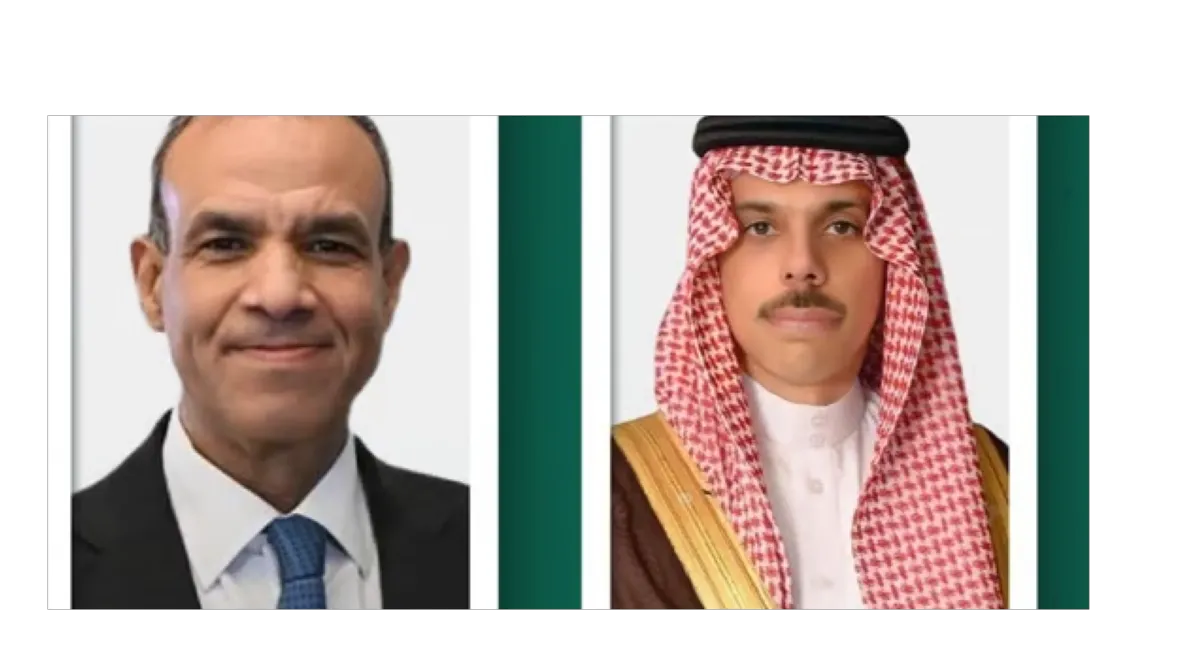
In his conversation with Egypt's Minister of Foreign Affairs, International Cooperation, and Egyptian Expatriates, Dr. Badr Abdelatty, Prince Faisal reviewed the countries' relationship and opportunities to expand cooperation in multiple fields, Saudi Gazette reported.
The Saudi and Egyptian ministers emphasized continued consultation and coordination over regional developments. They also called for support for diplomatic efforts to ease tensions and reinforce regional security and stability.
Prince Faisal separately spoke with Sheikh Mohammed bin Abdulrahman bin Jassim Al Thani, Qatar's prime minister and foreign minister. Their discussion addressed regional developments and efforts under way to reduce tensions while preserving security and stability.
Attacks and diplomatic responses
The conversations took place against a backdrop of Houthi attacks on Saudi Arabia in early November. According to WE News English, the Saudi-led Coalition to Restore Legitimacy in Yemen said it had intercepted and destroyed a Houthi cruise missile heading toward the Riyadh region on Saturday. The coalition also reported intercepting two Houthi ballistic missiles aimed at Najran in southern Saudi Arabia on Friday and destroying two drones in separate incidents in the Riyadh and Makkah regions.
Egypt's Foreign Ministry condemned the continuing attacks in a statement on Sunday, November 8, including the launch of two Houthi ballistic missiles toward Riyadh. The ministry described the attacks as a blatant breach of international law and Saudi sovereignty and security, and pledged full solidarity with Saudi measures to defend its security and sovereignty.
Iranian attacks on Bahrain were another source of regional tension. Kuwait, Qatar, Egypt, Jordan, Yemen and Palestine joined other Gulf, Arab and Islamic states and organizations in strongly condemning those attacks. They described them as a dangerous escalation that threatened regional security and stability, Asharq Al-Awsat reported.
Earlier calls addressed Gulf security and shipping
Prince Faisal had also held separate conversations with Abdelatty and Sheikh Mohammed in an earlier round of calls reported on November 4. During that round, Abdelatty affirmed that Gulf states' security was inseparable from Arab national security. The ministers stressed diplomacy to protect waterways and freedom of navigation, according to Arab News Pakistan.
Maritime security also featured in Prince Faisal's November 9 call with Omani Foreign Minister Sayyid Badr bin Hamad Al Busaidi. As part of the same diplomatic push, the two urged continued diplomatic work to contain the regional crisis, protect navigation and shipping routes, and limit the effects of recent developments on regional security and stability, WE News English reported.
Kuwait and Egypt sign cooperation agreements
In separate Egyptian-Gulf contacts, Kuwait hosted the Kuwaiti-Egyptian Joint Committee's 14th session. Kuwaiti Foreign Minister Sheikh Jarrah Jaber Al-Ahmad Al-Sabah and Abdelatty co-chaired the meeting, according to Asharq Al-Awsat.
The two sides signed three memoranda of understanding addressing exhibitions, economic and free zones, and civil aviation authorities. They also signed executive programs covering training, culture, the arts, education and customs affairs.